/sys/net/visible
For my master's thesis, I wanted to rediscover my enthusiasm for the internet. My main goal was to make it more accessible while demystifying it. This led me to take a closer look at the current state of the internet and identify problems relating to sustainability, capital and power structures that I had subconsciously always found frustrating.
The outcome of this research is /sys/net/visible, a media art installation that explores the physical and digital infrastructure of the internet. Drawing on concepts of permacomputing, cyberfeminism and organised social networks, the installation aims not only to demystify the internet, but also to formulate distinct counter-proposals to the current status quo.
Concept
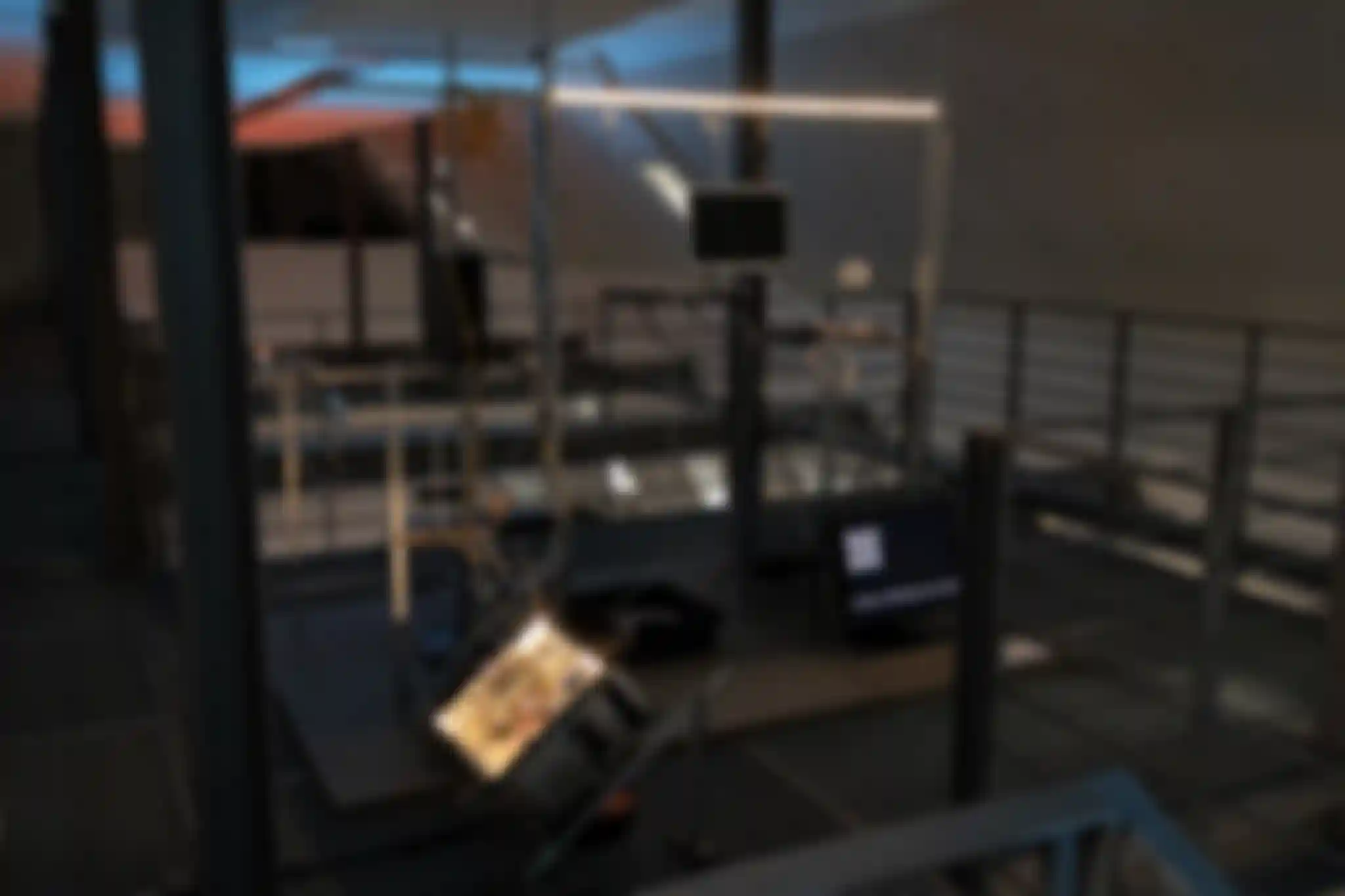
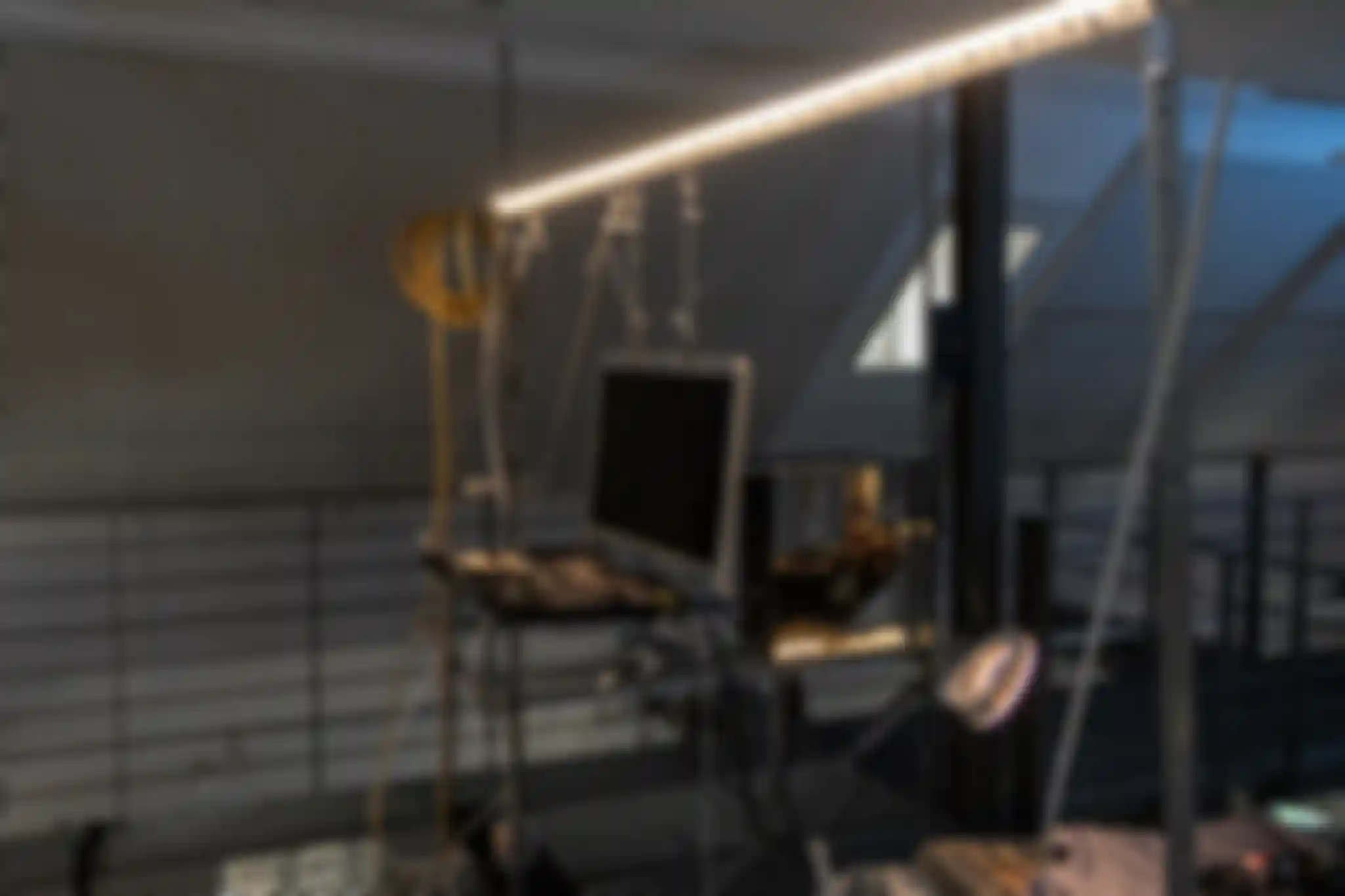
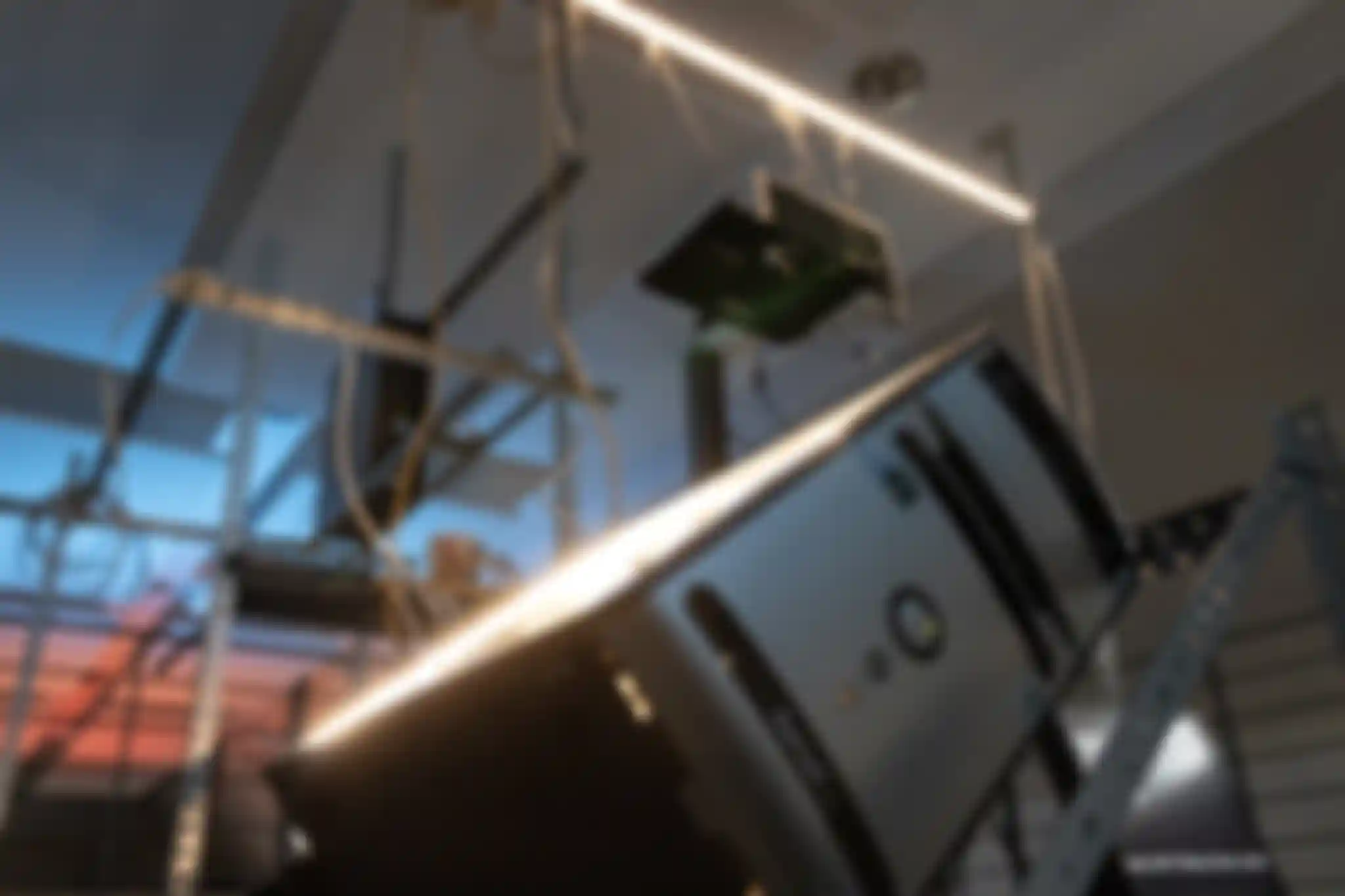
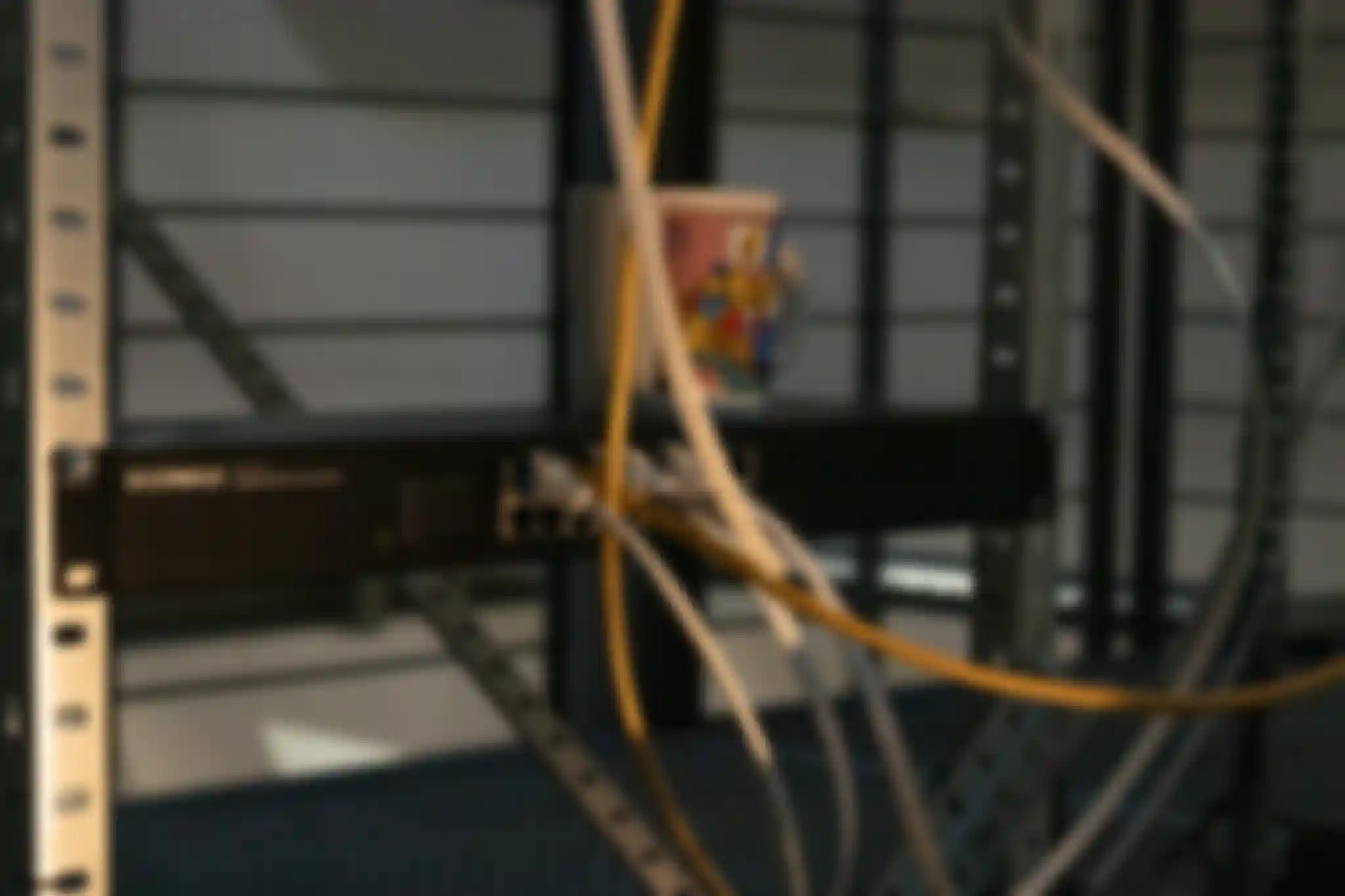
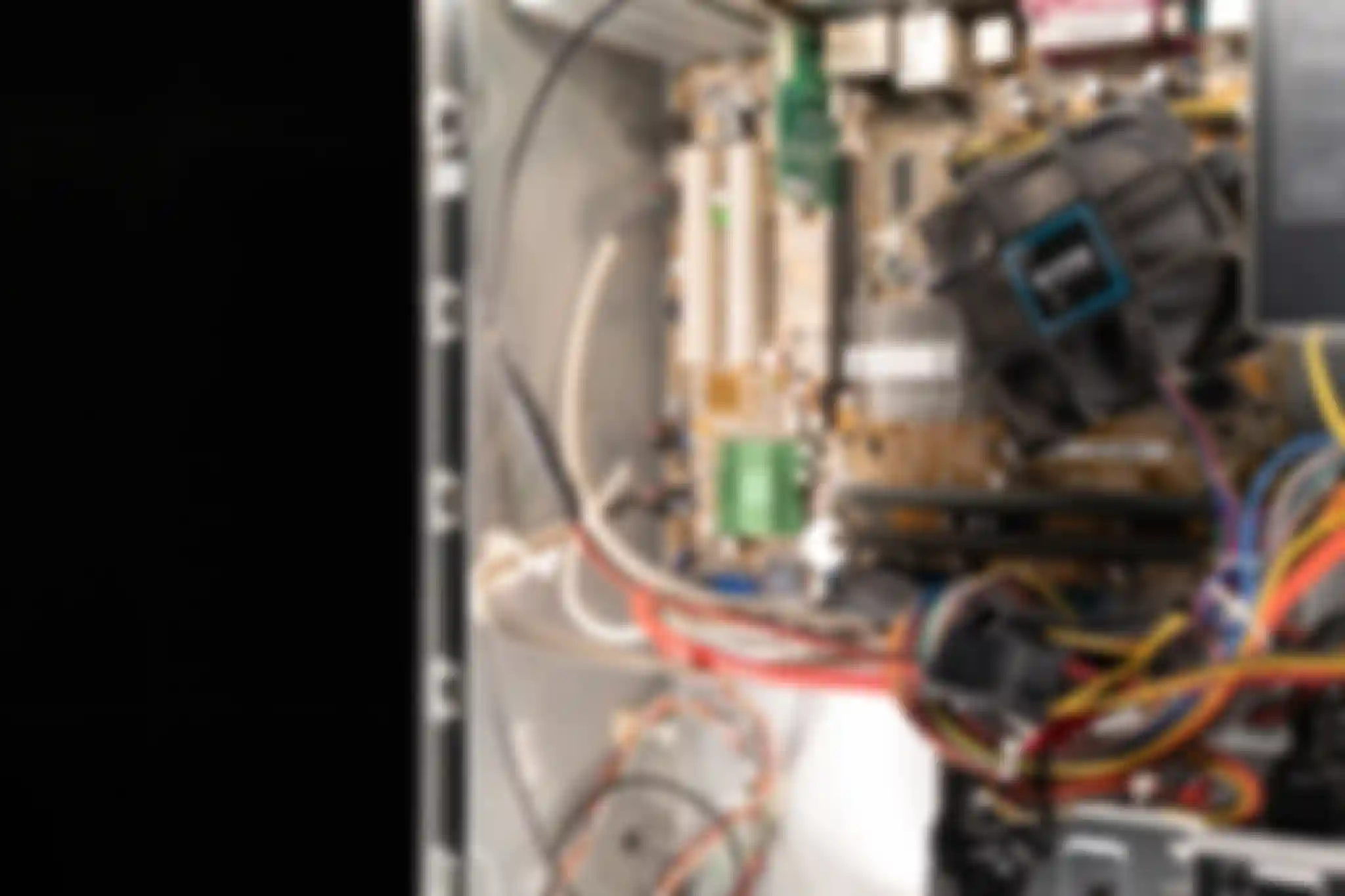
Fundamentally, the installation aims to make the infrastructure of the internet visible. The installations contains three PCs and a smartphone whose components are exposed and on which websites are hosted.
Uncovering the Infrastructure
The first counter-proposal addresses the obfuscation of the cloud. Contemporary discourse often critiques the consolidation of power among massive providers due to the abstraction and centralisation of physical infrastructure.
In response, /sys/net/visible rejects the hidden, inaccessible data centres. Instead, the installation uses simple, exposed devices to provide a website. By physically opening the hardware and making the internal components visible, the installation demystifies the server. It offers a tangible visualisation of the exact resources required to construct a node of the internet.
Regenerative Reuse
The devices used are discarded models which were rescued from the trash or far-flung corners of households. This is the second counter-proposal.
Rather than participating in the cycle of creating increasingly newer, faster and more powerful servers, these devices are given a new purpose through regenerative reuse. While these old devices may be too slow for regular use nowadays, a web server for a static website requires significantly less computing power. The underlying software stack was developed using modern programming languages that optimise the use of limited resources. This approach shows that, with careful reuse and optimisation, older hardware can effectively continue to serve as functional components of internet infrastructure, challenging the prevailing norm of constant technological obsolescence.
Embracing the Glitch
Each of the four devices is responsible one website inside a network of them. These websites are linked to each other via hyperlinks. If a link fails, the corresponding server in the installation is off.
This third counter-proposal highlights the fragility of the network. Unlike the over-engineered redundancy of commercial cloud providers, this installation allows for error. When a site goes offline due to an internal glitch, a power outage or a bot attack, it creates a moment of friction — a "glitch" in the sense described by Legacy Russel, whereby the system "refuses to perform". This disruption forces users to acknowledge their dependence on the infrastructure. However, because the system is decentralised and relies on links rather than a centralised feed, the rest of the network remains functional. This brings us back to one of Tim Berners-Lee's original ideas: the resilience of a linked, decentralised web.
The Organized Social Network
Ultimately, the technical infrastructure forms the basis for collaboration, resulting in the fourth and final counter-proposal. Each website was designed and developed by a different net artist, with one artist per server.
This structure creates an "organised social network" in which the community has full control over its infrastructure. This is in contrast to what economists describe as Technofeudalism, a system in which users act as serfs, creating value for platform owners without owning the digital land they inhabit. Because we had control, we could make design decisions that commercial platforms would not allow.
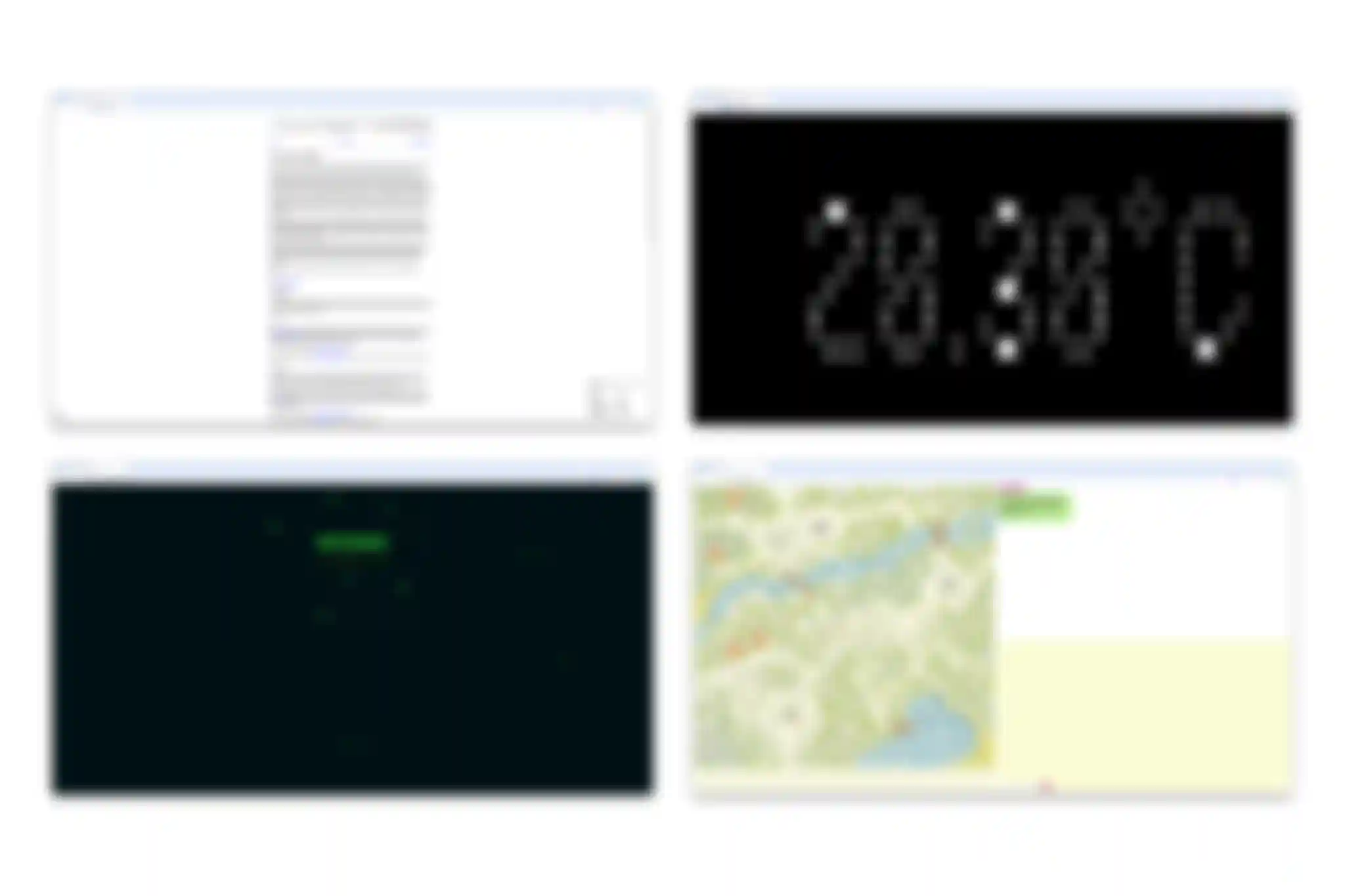
For instance, we installed a contact microphone inside every PC (as well as using the internal microphone on the phone) to record the live sound of the working machine. Additionally, system data such as CPU load, RAM usage and temperature is read in real time.
This data is exposed via a custom API endpoint and streamed directly to hosted websites. While browsing, users can see the "stress" of the machine and hear the hum of the server delivering the content. This bidirectional relationship meant that the infrastructure informed the art; the decision to visualise system data and sound influenced the aesthetic and conceptual development of the websites.
Learn More
If you would like a deeper insight into the piece, I would highly encourage you to read the thesis and logbook, which provide more detailed information about the project. There, I provide a more in-depth explanation of how the concept was developed based on my research, and of how the concept's ideas were implemented technically. In the logs, you can find a diary in which I documented daily progress.
Exhibitions & Presentations
2025: Artist talk at Transform 2025 – Conference on AI, Art, Design and Society, Hochschule Trier, Trier, Germany 2025: Transform 2025 – Conference on AI, Art, Design and Society, Hochschule Trier, Trier, Germany 2025: /sys/net/visible – Master thesis exhibition, Oldenburger Computer-Museum, Oldenburg, Germany